Mazda3 Sales Surge as SUVs Decline in July 2026
Mazda3 sales nearly double in July 2026, while SUVs face significant drops.
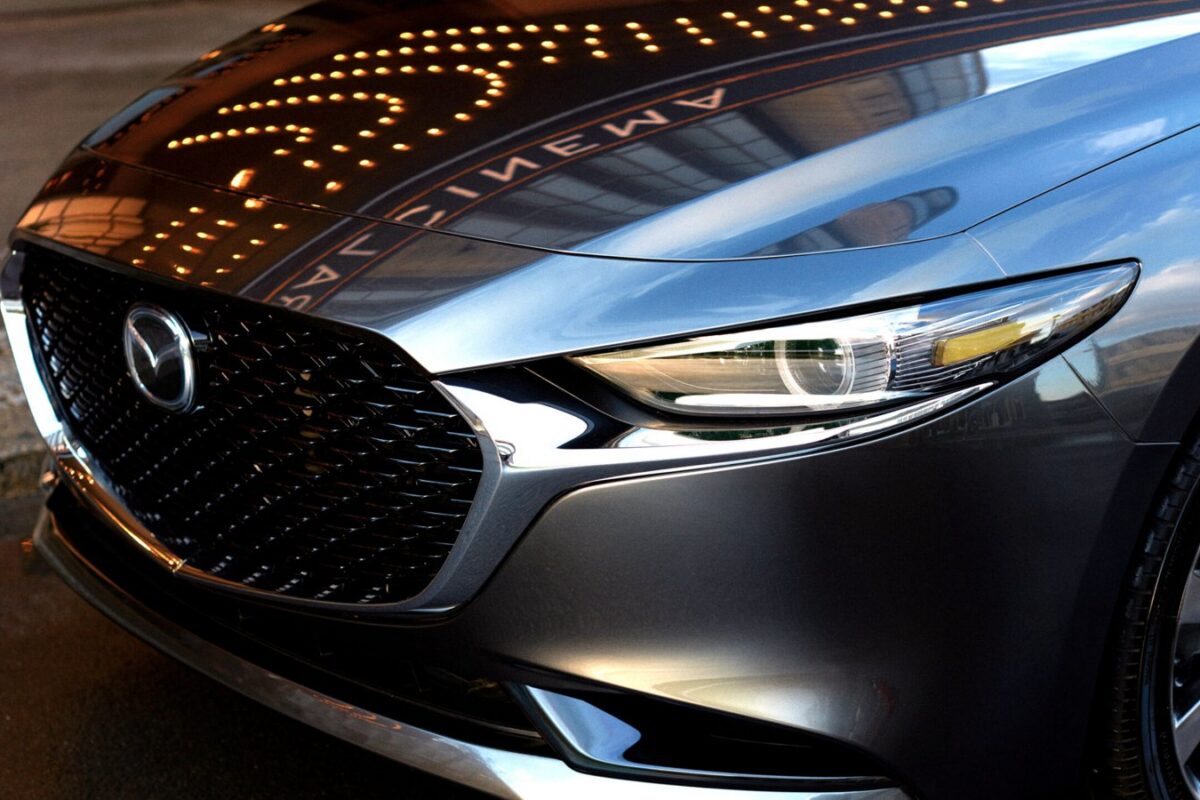
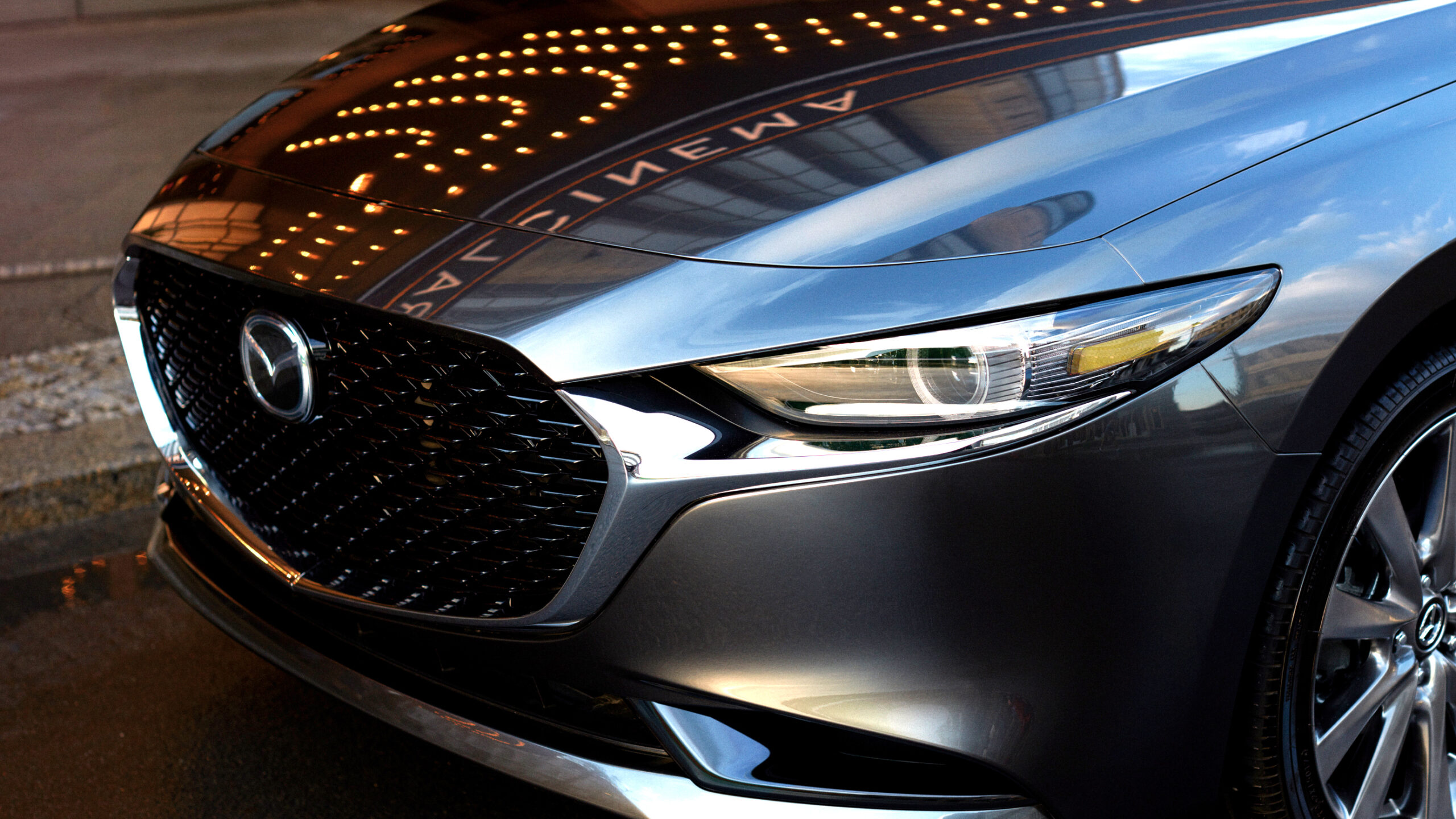
Mazda’s oldest small car, the Mazda3, nearly doubled its sales in July 2026, marking a significant turnaround for the model, while its SUV lineup faced notable declines. The compact hatchback and sedan saw strong growth, with the hatchback recording a 77.4 percent increase and the sedan climbing 91.8 percent. This surge in sales comes despite a broader decline in Mazda’s overall vehicle sales, which dropped 13 percent to 39,180 units in July. The Mazda3’s performance stood out as one of the few bright spots in a challenging month for the automaker.
Electric Future and Strategic Shifts
Reports suggest that the Mazda3’s success may be a precursor to a major transformation in its future. Rumors point to an electric replacement based on the Deepal model developed by Mazda’s Chinese partner, Changan. This would follow the same strategy that produced the Mazda 6e sedan and CX 6e SUV for Europe and Australia. However, the path to an electric Mazda3 in the U.S. remains uncertain, as EV demand has cooled and regulatory hurdles around Chinese-built vehicles complicate the process. If Mazda wants to maintain a compact car presence in America, it may need to rethink its approach beyond simply repackaging a Chinese EV.
Year-to-date Mazda3 sales are up 28 percent, with the hatchback surging more than 71 percent compared to the sedan’s 10.3 percent. This growth contrasts sharply with the performance of other models. For instance, the MX-5 Miata, which is even older than the Mazda3, saw a slight decline in sales, with a 16.3 percent drop in July. Meanwhile, small SUVs like the CX-30 and CX-50 showed resilience, with the CX-30 gaining nearly 10 percent and the CX-50 climbing 26 percent to over 76,500 deliveries. However, larger SUVs such as the CX-5, CX-70, and CX-90 all experienced significant declines, with the CX-70 dropping 25.8 percent to just 1,187 units.
Market Trends and Strategic Challenges
Despite the Mazda3’s strong showing, the automaker faces several strategic challenges. The decline in SUV sales, particularly among larger models, indicates a shift in consumer preferences toward smaller, more fuel-efficient vehicles. This trend is further complicated by the regulatory environment surrounding Chinese-built vehicles, which has already impacted brands like Polestar. Mazda’s reliance on Chinese partnerships for electric vehicle development may not be enough to secure a foothold in the U.S. market.
The Mazda3’s success highlights the growing appeal of compact cars in the American market, even as the broader industry shifts toward electrification. However, the company’s total vehicle sales for the year-to-date slipped 5.6 percent to 241,014 units, underscoring the need for a more diversified strategy. As the automotive industry continues to evolve, Mazda’s ability to adapt will be crucial in maintaining its market position.
While the Mazda3’s performance is a positive sign, it also underscores the challenges Mazda faces in balancing its portfolio. The decline in SUV sales, coupled with the drop in truck sales, highlights broader industry trends affecting Mazda’s performance. Whether the Mazda3’s popularity translates into long-term success will depend on how effectively Mazda can adapt its strategy to meet the changing needs of the market.